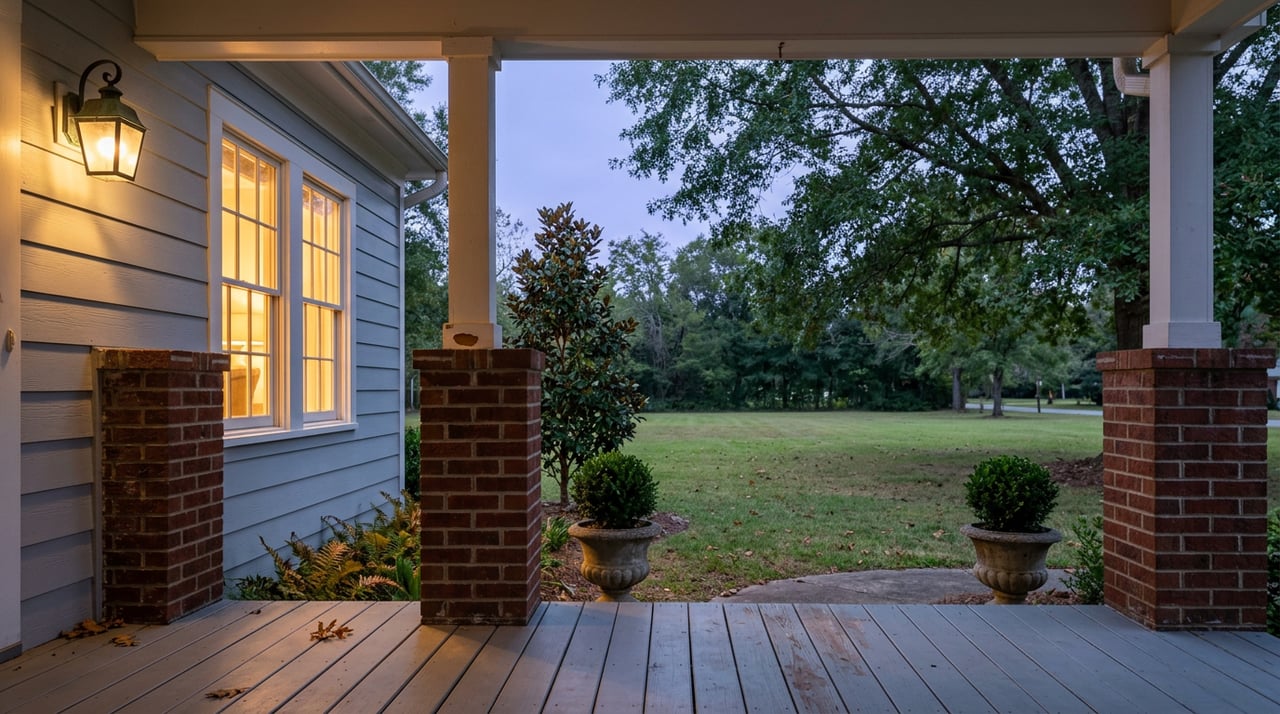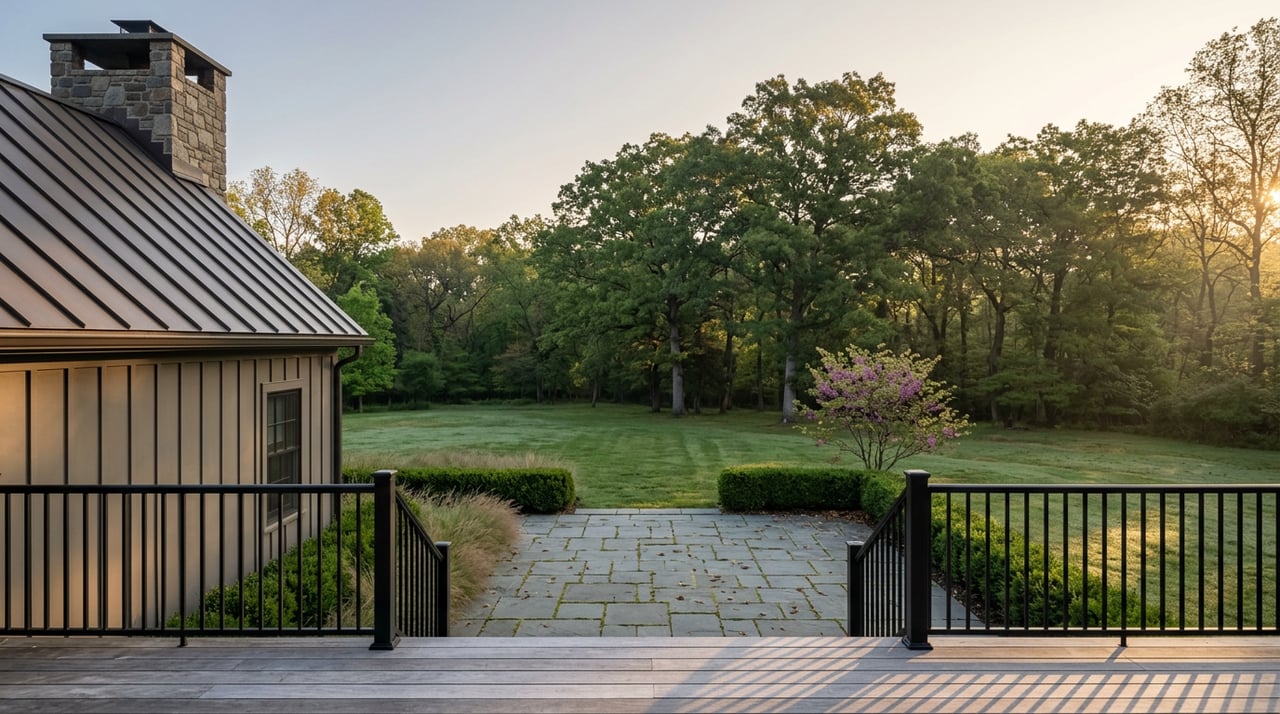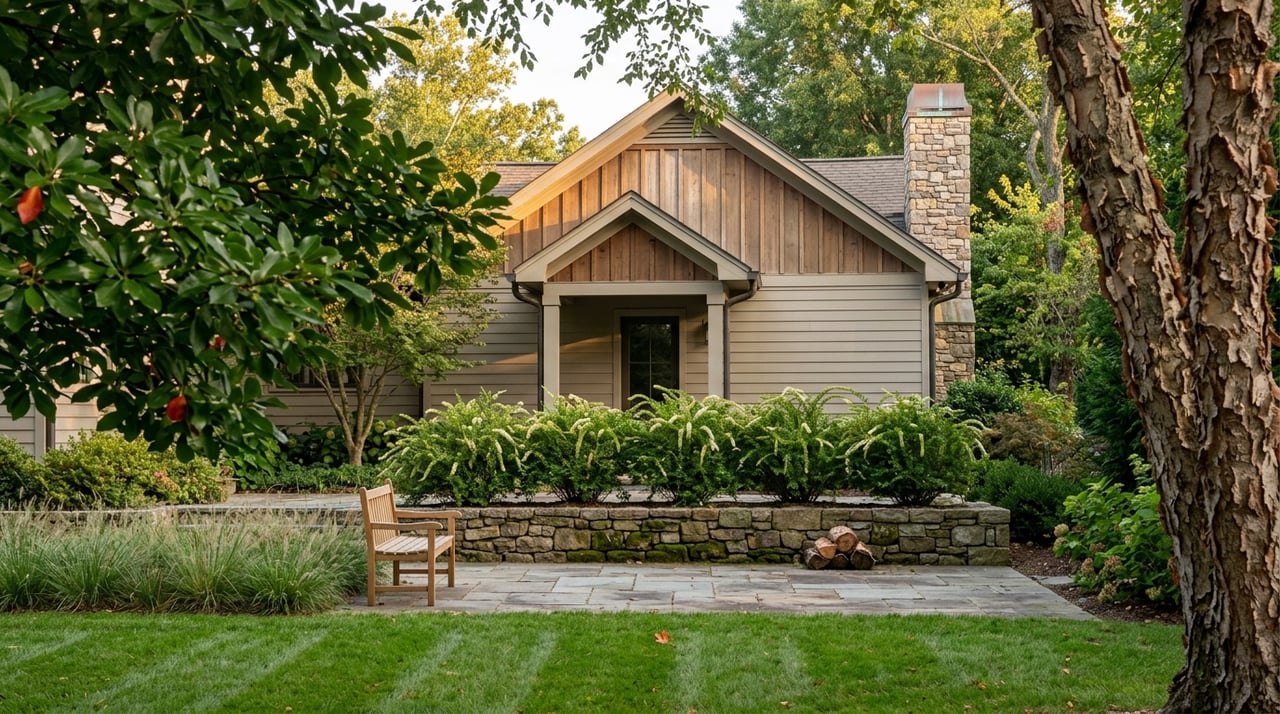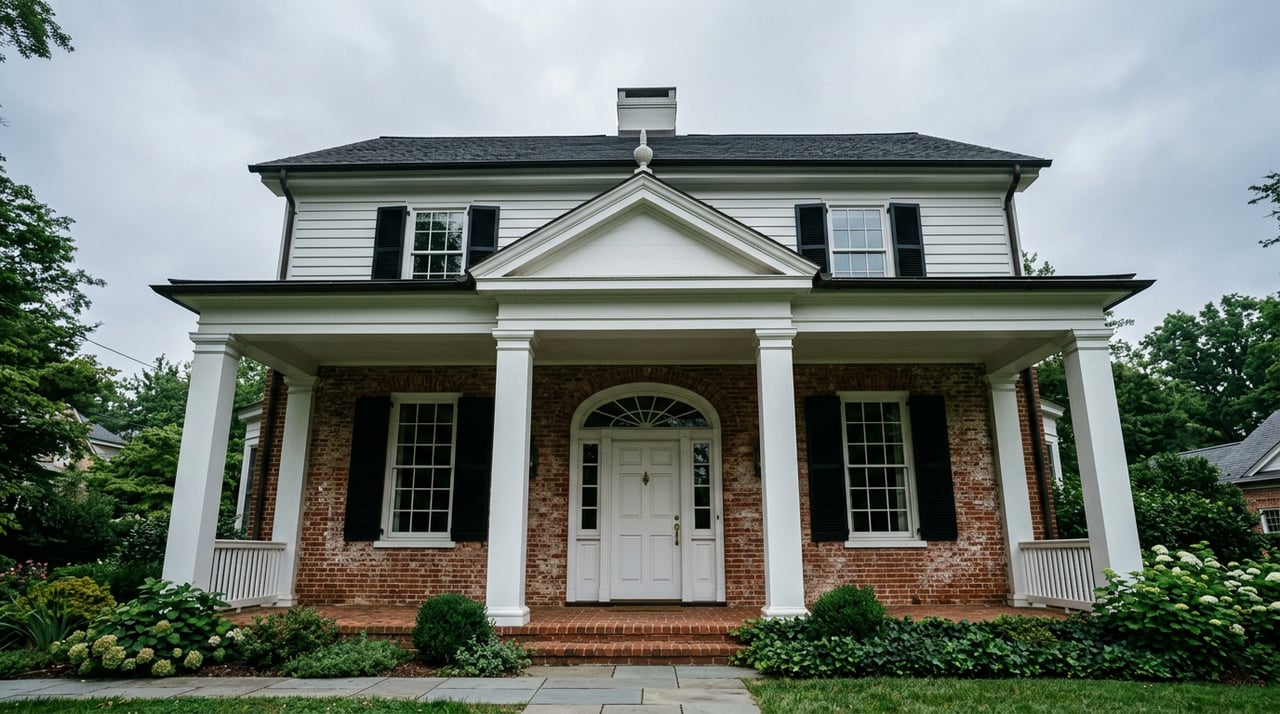
Picture two houses a block apart in Clarkesville. Both have the wide front porch, the tall windows, the kind of age that shows in the trim work rather than in disrepair. One sits on South Washington Street. The other sits one street over, inside the stretch of downtown that runs from Louise Street to Mary Street. To a buyer walking past, they read the same. To the state of Georgia, they have not read the same for more than forty years, and that gap just closed for one of them, not both, and not automatically.
The difference is not the house. It is which historic district the address falls inside, and until January 1 of this year, that line decided whether an owner could ever collect a state tax credit for restoring it.
Four Districts, Not One
Clarkesville's downtown and its oldest residential blocks carry several separate historic designations, each drawn at a different time for a different reason.
- Washington-Jefferson Street Historic District, listed on the National Register of Historic Places in 1982, covers about 23 acres along South Washington, South Jefferson, and Wilson Streets between Green Street and Laurel Drive. It holds roughly a dozen houses, two antebellum Greek Revival churches built by local master builder Jarvis Van Buren (one now known as Grace Church), and the city's small historic cemetery.
- South Washington Street Historic District, also National Register-listed, covers about 19 acres running along South Washington Street between Laurel Drive and Spring Street. Its dozen or so structures mix Greek Revival, Gothic Revival, Victorian, Neoclassical, and Queen Anne styling.
- Clarkesville Downtown Square Historic District, a commercial district bounded by Jefferson, Morgan, Madison, and Grant Streets along Washington Street, was added to the National Register around 2020 at a local level of significance. It holds the Barron York Building, the Art Deco Habersham Theater built in 1937, and the Craftsman-style Clarkesville Garage.
- The city's own Main Street corridor, from Louise Street to Mary Street and the side roads between them, was designated its own local Historic Preservation District in 2020, a step that today covers roughly 167 businesses along that stretch.
Four designations, four different boundary lines, and until this year, only two of them opened any door to state money for an owner living in the house.
The Credit That Reached Half the Old Houses in Town
Georgia's State Income Tax Credit Program for Rehabilitated Historic Property refunds 25 percent of qualifying rehabilitation spending, capped at $100,000 for an owner-occupied primary residence in any 120-month period. For decades, the rule for qualifying was narrow: the house had to be individually listed on the National Register, or sit inside a National Register district as a contributing structure.
That rule quietly favored the two 1982 residential districts. An owner restoring a Greek Revival on South Washington Street has had a path to this credit since the Reagan administration. A house with the same bones and the same age sitting a few blocks away, inside the city's 2020 local Main Street boundary but never individually surveyed for the National Register, had none. It could look every bit as historic and still miss the credit entirely, simply because nobody had ever filed the federal paperwork on it.
What Changed on January 1, 2026
Senate Bill 496, signed by Governor Kemp on April 18, 2024, extended the sunset on Georgia's historic tax credit programs through 2029 and, starting this year, widened who counts as eligible. Owner-occupied primary residences that are only locally designated, or that contribute to a district recognized under local ordinance rather than federal listing, can now qualify for the same 25 percent credit, provided the state certifies that the property meets National Register criteria.
Applications for these newly eligible projects opened October 1, 2025. Actual rehabilitation work could not begin until January 1, 2026, and cannot be backdated. The application now requires a document most homeowners have never heard of: a Local Designation Confirmation Form, completed by the city at the homeowner's request, verifying that the address is designated or contributing under Clarkesville's own historic preservation ordinance. The state's Historic Preservation Division does a preliminary eligibility review before the homeowner even asks the city to fill that form out.
The boundary that used to decide only whether you needed a design review now also decides whether you get paid back for the work.
Why the Line Matters More on Some Streets Than Others
For a house already sitting inside Washington-Jefferson or South Washington Street, this change adds little. Those owners have had access to the credit for years. The real shift is for a property inside the 2020 downtown boundary, which runs along side roads as well as Washington Street itself and was drawn primarily around a Main Street commercial revival, 167 businesses at last count. Somewhere in those side streets sit older houses that were swept into the local district's boundary without ever going through a federal nomination. Those are the addresses for which this year's change is not a technicality. It is the first time the credit has ever applied to them.
There is a second piece of friction here that has nothing to do with the tax credit and applies regardless of whether an owner ever files for it. Clarkesville's zoning ordinance sets aside a dedicated Preservation District and Preservation Corridor Overlay Zone with their own design review sections, the local mechanism Georgia's Historic Preservation Act uses to require a Certificate of Appropriateness for exterior changes to a designated property. That review step exists independent of the tax credit conversation. A buyer planning to swap out windows, add a porch rail, or repaint in a color the design guidelines do not favor should expect to clear that review first, whether or not they ever apply for a dime of state money.
The Process, In Practical Terms
- Confirm which category the address falls into. The city's planning and zoning office can say whether a property is inside the 1982 National Register districts, the 2020 downtown district, or none of the above.
- If the house is already listed on the National Register, the Part A application goes straight to the state's Historic Preservation Division.
- If the house is only locally designated, request the Local Designation Confirmation Form from the city before filing Part A. The state reviews eligibility before that form gets filled out.
- Either path requires the completed work to meet the state's Standards for Rehabilitation and clear its Substantial Rehabilitation Test before the 25 percent credit, capped at $100,000 over any 120-month window, can actually be claimed.
- The statewide pool for historic home credits is capped near $5 million a year. Filing early in a given cycle matters almost as much as filing correctly.
What This Means If You're Weighing an Older House Here
A listing sheet cannot tell you which of these four categories a house falls into. "Historic charm" reads the same whether the address sits inside a National Register district from 1982 or just inside the edge of the 2020 downtown boundary or in neither. The distinction only shows up when you ask, and it changes two things at once: whether you need a Certificate of Appropriateness before you touch the exterior, and whether the state will help pay for it when you do.
That is worth confirming before you make an offer, not after you have already budgeted a renovation around an assumption.
How do I find out which district a specific address falls into? Clarkesville's planning and zoning department can confirm designation status, and it is the same office that would complete a Local Designation Confirmation Form if one is needed.
Does this apply to a house I plan to rent out rather than live in? No. The Historic Home credit is specifically for owner-occupied primary residences. Income-producing historic properties fall under a separate track with its own caps.
Is there anything that helps with property taxes rather than income taxes? Georgia runs a separate program that freezes a county's assessed value on a rehabilitated historic property for at least eight years, provided the owner raises the building's fair market value by 50 to 100 percent depending on its new use. It runs alongside the income tax credit rather than replacing it.
If you are weighing a purchase in one of Clarkesville's older blocks and want to know exactly which designation applies to a specific address before you write an offer, Chad Williams can help you check the boundary before it becomes a surprise. Request a Free Home Valuation and we will walk the details with you street by street.