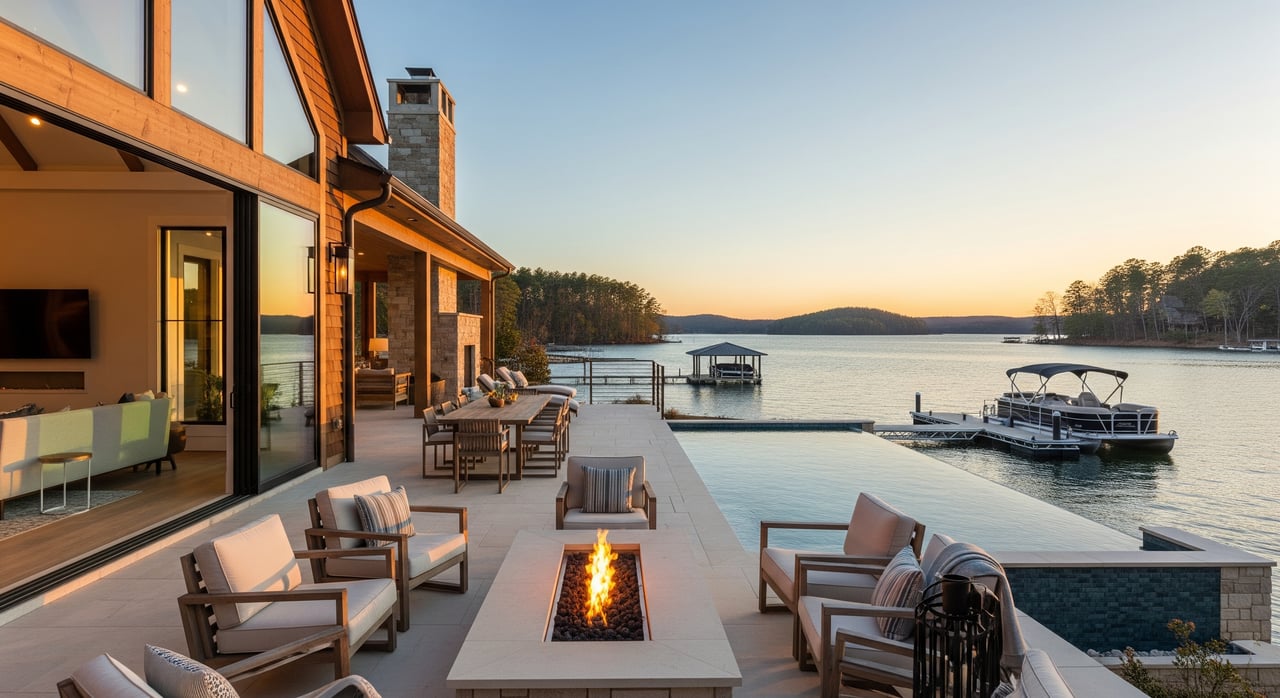
Thinking about a short-term rental near Lake Lanier or in Gainesville but not sure where to start? You are not alone. Between permits, HOA rules, lake-specific issues, and cash-flow questions, it can feel complex fast. This guide breaks the process into clear steps so you can validate rules, model returns, and launch an STR that runs smoothly and stays compliant. Let’s dive in.
Know the rules in Gainesville and Hall County
Local rules set the ground game for any STR around Lake Lanier. City, county, and lake authorities can each have a say, and HOAs often have their own rules. Your goal is to confirm exactly what applies to your address before you spend time or money.
Jurisdictions to check first
- City of Gainesville for properties inside city limits.
- Hall County for unincorporated addresses around the lake.
- Nearby municipalities if you are close to a boundary.
- U.S. Army Corps of Engineers (USACE) for docks and shoreline structures on Lake Lanier.
- Your HOA’s recorded covenants and current rules.
Common STR requirements
Most Georgia jurisdictions use a similar toolkit for STR oversight. Expect to confirm the following:
- Registration or permit, sometimes with annual renewal.
- Zoning or land-use approval that allows STRs by right or with a special permit.
- Occupancy limits tied to bedrooms or safety code standards.
- Safety items such as smoke and CO detectors, fire extinguishers, and clear egress.
- Parking rules that may limit on-street parking or set a space minimum.
- Noise and nuisance rules, including quiet hours and complaint procedures.
- Restrictions on for-rent signs.
- Record-keeping or reporting requirements for operators.
Lake Lanier specifics
Lake properties add unique layers you need to verify:
- Docks and shoreline structures often need USACE permits and may have local setbacks.
- Floodplain, wetlands, and septic setbacks can limit occupancy or changes to the property.
- Road access and maintenance can affect guest access on private or low-maintenance roads.
Taxes and licenses to confirm
Budget time to set these up early:
- Georgia sales tax and any state-level requirements for lodging.
- Local lodging or hotel-motel taxes at the city or county level.
- Business license or occupational tax registration with the city or county.
- Whether your platform collects and remits taxes for your address or if you must file directly.
HOA and zoning: no surprises
HOAs are often the strictest gatekeepers for STRs. Many prohibit short stays outright or require minimum lease terms. Zoning and definitions also matter since some places treat STRs like hotels.
What HOAs often restrict
- Full prohibition of short-term rentals.
- Minimum rental duration, such as 30 days.
- Owner-occupancy requirements for part of the year.
- Guest registration, parking limits, and rules for common areas.
- Insurance minimums for owners who rent.
- Rules for docks, boat slips, and lake amenities.
How to confirm in writing
- Get the recorded CC&Rs from the seller or title company.
- Request the HOA’s written rental policy, plus any amendments or board rules.
- Ask for a written letter of compliance stating whether STRs are allowed and under what conditions.
- Review Rules and Regulations and recent meeting minutes for enforcement trends.
- Confirm the fine schedule and how the HOA monitors STR listings.
Zoning validation steps
- Look up the property’s zoning on the city or county GIS maps.
- Read how the local code defines short-term rental or transient lodging.
- If anything is unclear, request a zoning compliance letter from the planning department.
- If not permitted by right, ask about a conditional-use or special-exception path.
Due diligence before you buy or convert
Treat an STR like a business with legal, physical, and financial checks. A little upfront work prevents costly missteps later.
Legal and regulatory checks
- Confirm STR permits and any inspections required by the city or county.
- Validate HOA rules and secure written confirmation.
- Request a zoning compliance letter for your address.
- Check floodplain status and any environmental overlays.
- Confirm historic-district or conservation limits if applicable.
Physical systems and safety
- Verify septic capacity with county records, especially for higher guest counts.
- Check water and wastewater connections and metering.
- Assess driveway grade, parking count, and turnaround space.
- Confirm working smoke and CO detectors, safe egress windows, and sturdy railings.
- Inspect pool, dock, or waterfront structures and their permits.
- Evaluate HVAC capacity for peak occupancy and summer loads.
Insurance and liability
- Ask your insurance agent about STR coverage or endorsements.
- Review umbrella liability limits and any requirements for pools or docks.
- Discuss business insurance or ownership structure with your attorney or accountant.
Market and demand validation
- Map out Lake Lanier seasonality, including boating season and holidays.
- Compare nightly rates and minimum stays against similar properties.
- Get data from STR market providers or local property managers.
- Confirm platform fees and whether the platform handles tax remittance for your address.
Build a solid financial model
A reliable cash-flow worksheet helps you set goals, choose financing, and price smartly. Keep assumptions realistic and test a range of outcomes.
Key input fields
- Property and financing: purchase price, down payment, rate, amortization, mortgage payment, closing costs, and initial furniture and setup.
- Revenue: average nightly rate, occupancy by season, and extra fees such as cleaning, pets, parking, or extra guests.
- Operating expenses: management fees, platform fees, cleaning, utilities, insurance, property taxes, HOA dues, repairs, supplies, marketing, license renewals, and lodging or sales taxes.
- Other: maintenance days between bookings, utility spikes from turnovers, and a capital reserve target.
Core outputs and formulas
- Gross Rental Revenue = Average Nightly Rate × Occupied Nights.
- Platform Net Revenue = Gross Rental Revenue − Platform Fees.
- Net Operating Income (NOI) = Platform Net Revenue + Additional Fees you keep − Operating Expenses.
- Cash Flow Before Taxes = NOI − Annual Mortgage Payments.
- Cash-on-Cash Return = Annual Cash Flow Before Taxes ÷ Cash Invested.
- Cap Rate = NOI ÷ Purchase Price.
- Break-even Occupancy = (Fixed Costs + Debt Service) ÷ (Nightly Rate − Variable Cost per Night).
Scenario testing
Run three cases to understand risk and upside:
- Base case: your best estimate for rates and occupancy by season.
- Conservative case: lower occupancy and slightly lower rates.
- Optimistic case: higher occupancy and stronger peak-season rates.
Set decision rules in advance, such as minimum acceptable cash-on-cash return or break-even occupancy.
Operations and property management
Well-run STRs rely on consistent systems, fast response, and compliance. Decide if you will self-manage or hire a local manager.
What a manager handles
- Listing setup, professional photos, and clear house rules.
- Dynamic pricing and revenue management.
- Guest communication, check-in, and emergency response.
- Cleaning schedules, inspections, and turnover quality control.
- Maintenance coordination and vendor management.
- Compliance tasks, renewals, and tax filings.
- House rule enforcement, security, and record-keeping.
Fee models and tradeoffs
- Percentage of rental revenue for full-service management, often in the 15 to 35 percent range depending on scope and market.
- Fixed or per-booking fees for limited services.
- A la carte options for inspections, marketing boosts, or maintenance coordination.
Confirm whether fees apply to gross or net revenue and who pays for cleaning, supplies, and repairs.
Vendor checklist
- Turnover cleaning team with a detailed checklist and linen plan.
- Handyman plus licensed plumber and electrician on call.
- Landscaping and seasonal yard care.
- Pool service and dock maintenance if applicable.
- Pest control with a regular schedule.
- Local emergency contact or co-host for after-hours issues.
- Insurance broker with STR experience.
- Accountant or bookkeeper who understands STR taxes.
Your step-by-step timeline
A simple timeline helps you move from idea to launch while staying compliant.
Immediate validation steps
- Gather the address and parcel ID.
- Confirm zoning on the city or county map.
- Ask the planning or permit office in writing if STR use is allowed and what permits are needed. Request a code citation or written response.
- Contact the business license or tax office about hotel-motel and sales tax registration.
- Obtain HOA CC&Rs and ask for written confirmation on STRs and any conditions.
- Check floodplain maps and septic records with environmental health.
- Review nearby STR listings to gauge demand and minimum stays.
Pre-closing due diligence
- Secure the HOA letter of compliance.
- Confirm insurance requirements and get quotes for STR coverage.
- Request rental history and verify with statements if available.
- Obtain dock and shoreline permit documents if the property is waterfront.
- Check for outstanding code violations.
Post-closing launch checklist
- Apply for STR permits and business licenses immediately.
- Register for required tax accounts and confirm who remits which taxes.
- Schedule any life-safety inspection and complete upgrades.
- Set up smart locks, guest messaging, and house manuals.
- Contract with your cleaning and maintenance vendors.
- Post a neighborhood-friendly plan in the home covering quiet hours, parking, and local contacts.
Common pitfalls around Lake Lanier
- Assuming a dock conveys without checking permits and USACE status.
- Overlooking floodplain limits or septic capacity when setting occupancy.
- Ignoring driveway grade, winter access, or parking limits.
- Relying on platform tax collection without confirming local lodging tax rules.
- Skipping the HOA compliance letter and discovering a ban after closing.
- Underestimating turnover costs and seasonal demand swings.
Ready to explore an STR near Lake Lanier with local guidance that blends investor insight and hands-on property management support? Reach out to the team at Chad & Julie M Williams to discuss addresses, compliance steps, and cash-flow planning.
FAQs
Are short-term rentals legal in Gainesville and Hall County?
- It depends on the property’s location and zoning. Confirm with the city or county planning office and secure any required registration or permits.
Do HOAs around Lake Lanier allow short-term rentals?
- Policies vary by community. Review the recorded CC&Rs and request a written letter of compliance from the HOA before you buy or convert.
What taxes apply to a Lake Lanier vacation rental?
- Expect Georgia sales tax and local lodging or hotel-motel taxes, plus any required business license. Confirm registration and remittance steps for your address.
How do dock permits impact STR operations?
- Docks and shoreline structures often require USACE permits and may have local setbacks. Verify permit status and rules before advertising lake access.
How can I estimate nightly rates and occupancy?
- Use third-party STR data and local property manager insights, and compare similar listings by size and amenities to map seasonality and set base rates.
What management fees should I plan for?
- Full-service fees commonly range from 15 to 35 percent of rental revenue depending on scope. Clarify whether fees apply to gross or net and who pays for cleaning.