Buying your first home in Gainesville can feel like a balancing act. You want a home that fits your budget, works for your routine, and still gives you room to grow. The good news is that Gainesville offers several realistic starter-home paths, from older in-town houses to attached homes near downtown and newer options on the edges of the city. If you know where to look and what trade-offs to expect, you can shop with more confidence. Let’s dive in.
What Counts as a Starter Home in Gainesville?
A starter home does not have to mean one specific style or size. In Gainesville, it can mean an older detached home near the historic core, a townhome or other attached home in a more in-town setting, or a newer home farther from downtown where land is more available.
That flexibility matters because Gainesville is not a one-note housing market. Census figures show a mixed housing landscape, with owner-occupied homes in the city carrying a median value of $382,200, while Hall County's median value is $313,600. The city also has both detached homes and a meaningful supply of attached and multifamily housing, which gives first-time buyers more than one way to enter the market.
Older Homes Near Downtown
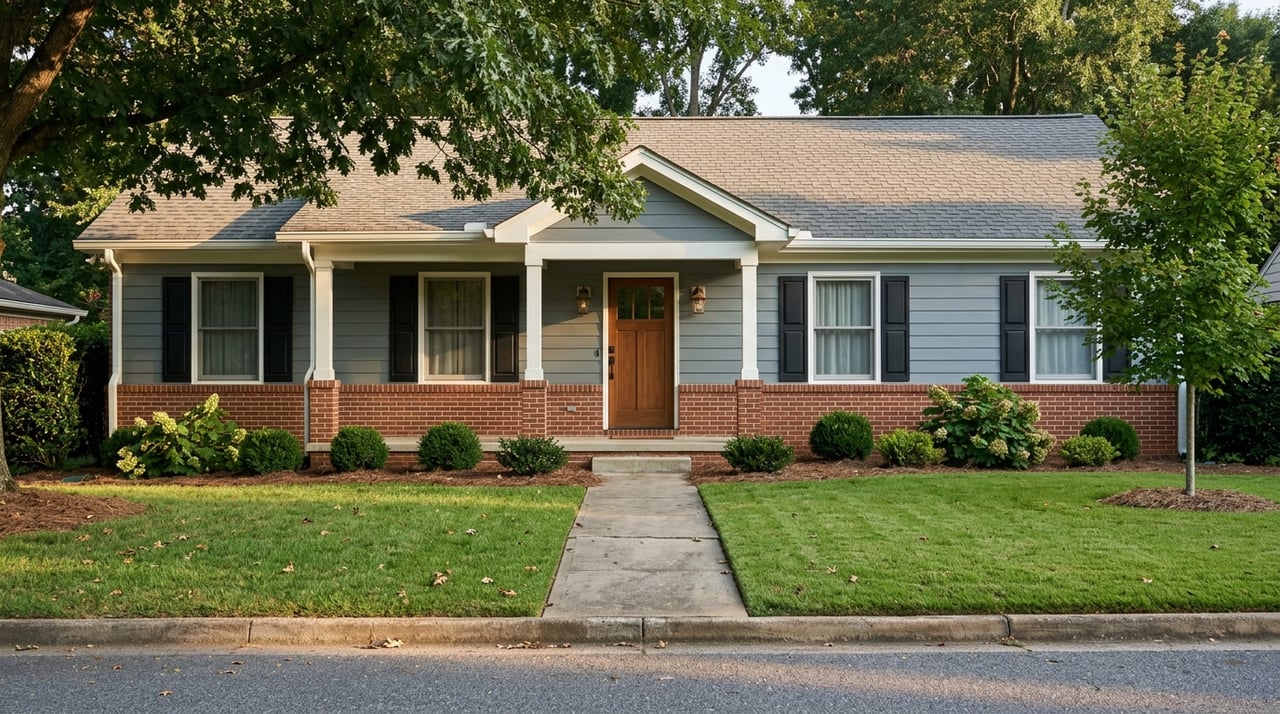
For many first-time buyers, older in-town homes are the clearest starter-home option in Gainesville. The city’s early growth centered around downtown and later expanded into areas such as Midtown, Washington Street, Newtown, and Riverside Drive, which makes those near-downtown areas natural places to search for smaller detached homes and bungalow-era properties.
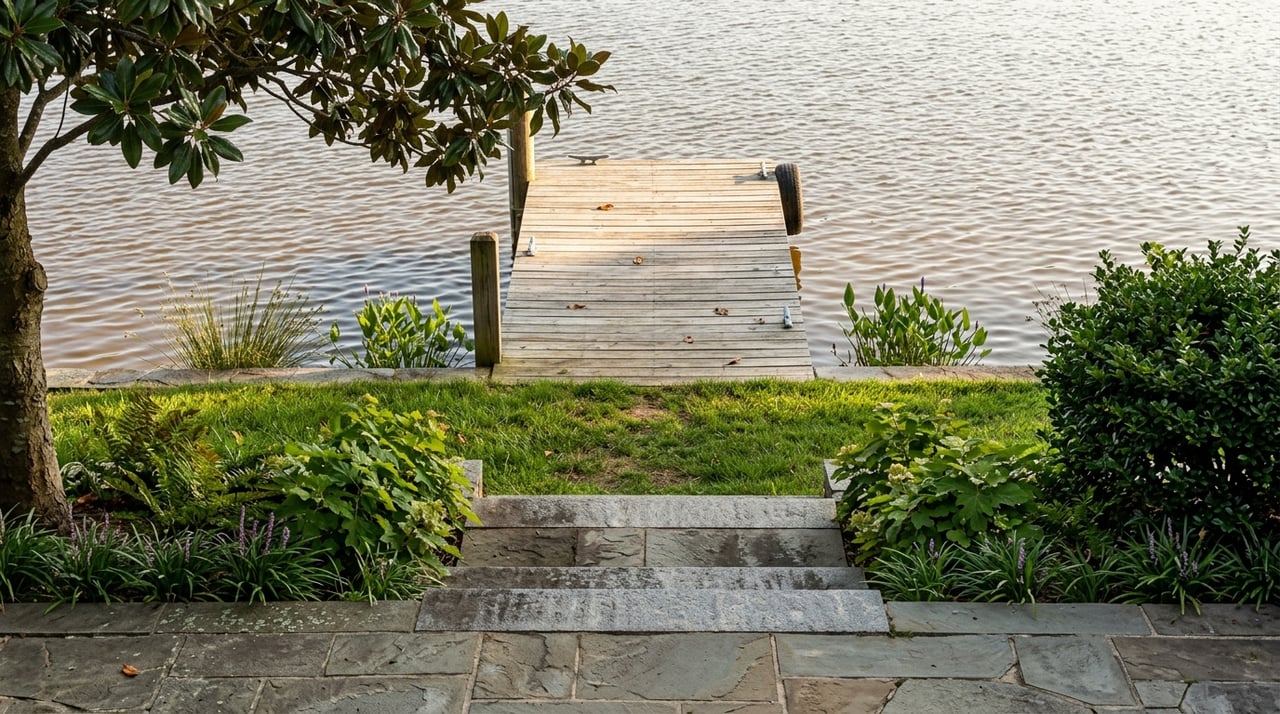
If you like the idea of being closer to daily amenities, this part of Gainesville may appeal to you. The Historic Gainesville Square anchors the business district with shops, restaurants, and regular events, while nearby greenways help connect downtown to Lake Sidney Lanier.
Older homes can offer charm, established streetscapes, and a more connected feel to the city center. At the same time, they may come with maintenance needs or update projects, so it helps to go in with a clear budget for both the purchase and future repairs.
Historic District Rules Matter
If you are considering a home in a locally designated historic area, make sure you understand the city’s rules before planning major exterior changes. Gainesville requires a certificate of appropriateness for major exterior work in those areas.
That does not mean you should avoid these homes. It simply means you should factor local review requirements into your timeline and decision-making if exterior renovations are part of your plan.
Townhomes and Attached Options
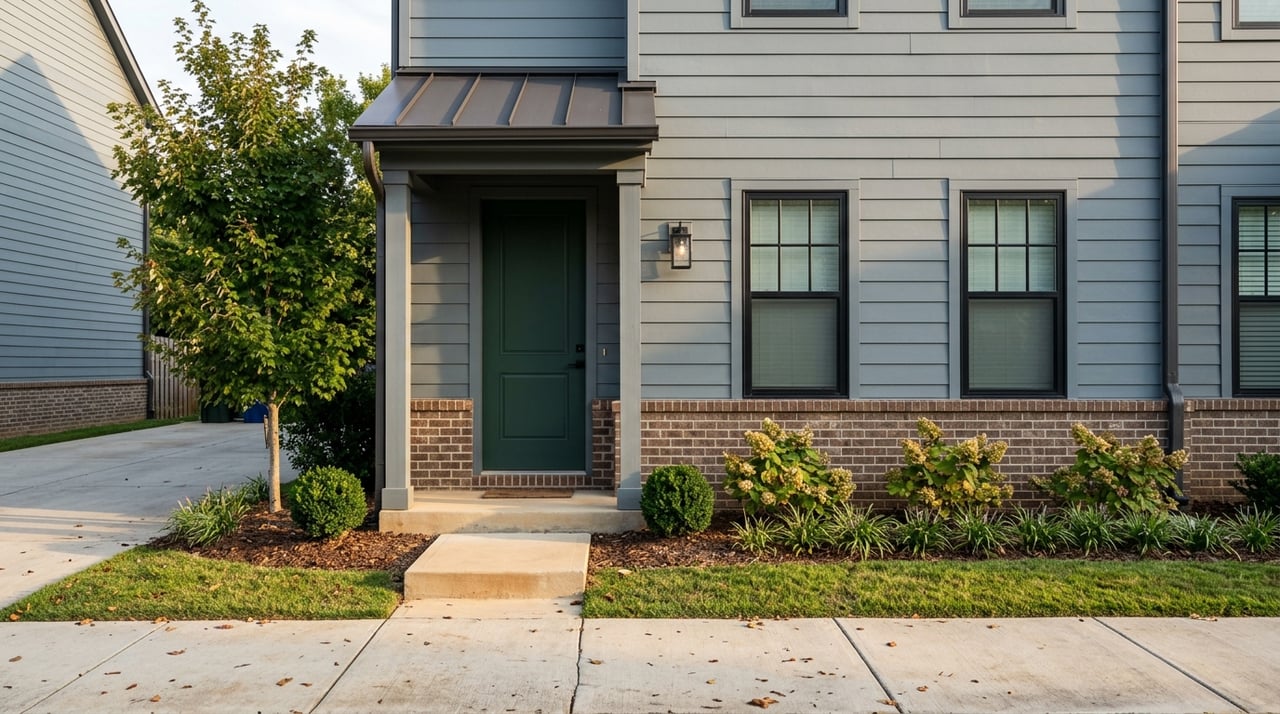
If you want a lower-maintenance option or a more accessible price point, attached homes may be worth a close look. Census definitions for one-unit attached homes include row houses and townhouses, and Gainesville has a meaningful attached-home base alongside its detached housing stock.
In practical terms, townhomes and similar attached options can make sense if you care more about location and convenience than yard size. Based on Gainesville’s planning patterns, buyers looking for these types of homes are likely to find the most natural options in or around downtown, Midland, and other redevelopment-influenced areas.
Why Attached Homes Appeal to First-Time Buyers
Attached homes often fit the needs of buyers who want a simpler routine. You may get a more compact layout, less exterior upkeep, and a location that keeps you closer to the downtown core or other in-town destinations.
That trade-off can be especially helpful if you are trying to keep your to-do list manageable while still building equity. If your priority is a practical first step into homeownership, this category deserves serious attention.
Newer Homes on Gainesville’s Edges
If your wish list includes newer construction, more land, or a more suburban feel, you may find better options along the edges of Gainesville. Local planning documents point toward growth in developed corridors and future employment centers, while corridor studies describe some edge areas as more of an urban fringe.
For you, that usually means a different lifestyle trade-off. Edge-of-city communities may offer newer homes and more space, but they are often more car-oriented and less walkable in daily life.
Space Versus Walkability
This is one of the most important starter-home choices in Gainesville. In-town homes can put you closer to the square, parks, and greenways, while edge locations may give you a newer house or lot size that feels easier to grow into.
Neither option is automatically better. The right choice depends on whether you value proximity and connectedness more than newer finishes and extra space.
Budgeting for Gainesville Ownership Costs
Price is only part of the equation when you buy your first home. You also need a realistic view of monthly ownership costs, utilities, and local fees so your payment still feels comfortable after closing.
Census figures show median monthly owner costs in Gainesville at $1,811 with a mortgage and $659 without one. In Hall County, the comparable figures are $1,685 with a mortgage and $527 without one. These are broad reference points, but they can help you benchmark your target monthly budget.
Utilities and Local Fees
The City of Gainesville provides a residential water and wastewater bill estimator, which can help you plan for utility costs. The city also states that garbage and recycling service costs $32.10 per month and appears on the water bill.
Property taxes also matter when you compare homes. The City of Gainesville sets city property tax rates, and Hall County approved a 3.227 General Fund millage rate for FY2026. As you narrow your options, looking at total monthly cost instead of just list price can help you make a more confident decision.
Getting Around and Accessing Amenities
Your first home should support your day-to-day life, not just your long-term goals. Gainesville offers a mix of car access, transit, and a compact downtown core, which can shape where different starter-home options make the most sense.
I-985 connects Gainesville to the wider region, and Hall Area Transit links riders to grocery stores, jobs, medical and dental offices, retail, government offices, and recreational facilities. The city also operates the free Gainesville Trolley, which connects downtown with several nearby neighborhoods.
Commute figures reflect that difference between city and county living. The mean travel time to work is 24.0 minutes in Gainesville and 27.7 minutes in Hall County. If shaving time off your daily drive matters, an in-town location may deserve extra weight in your search.
Parks, Greenways, and Daily Lifestyle
Amenities also shape how a starter home feels after move-in. Gainesville offers public access to Lake Sidney Lanier through five parks, while Longwood Park and the Rock Creek Greenway help connect downtown to the lake.
The Midland Greenway adds trails, public art, and a dog park, and downtown events like Art Walk and the First Friday Concert Series give the square a recurring community rhythm. NGMC Gainesville also serves as the region’s 629-bed flagship hospital and Level I Trauma Center, which is an important part of the city’s service base.
First-Time Buyer Assistance to Know About
If down payment funds are one of your biggest hurdles, there are local and state resources worth exploring. Gainesville’s Housing Division administers first-time homebuyer and down-payment assistance programs, and eligibility is limited to first-time buyers with income limits applying.
At the state level, the Georgia Dream Homeownership Program offers down-payment assistance through a 0% second mortgage for eligible buyers. According to the current program guide, standard assistance is 5% of the purchase price up to $10,000, while PEN/CHOICE assistance is 6% up to $12,500. The standard matrix also lists a 640 minimum credit score.
Why Assistance Programs Matter
For first-time buyers, assistance can change what feels possible. It may help you preserve savings for moving costs, repairs, or emergency reserves instead of putting every available dollar into the upfront purchase.
Programs do have requirements, so it is important to review eligibility early. If you think you may qualify, bringing that conversation into your home search from the start can help you target options more effectively.
How to Choose the Right Starter-Home Path
The best starter home in Gainesville depends on what you need most in this season of life. A smaller older house near downtown, an attached home closer to amenities, or a newer home on the edge of the city can all be smart options if they fit your budget and routine.
As you compare properties, focus on a few core questions:
- Do you want to be closer to downtown, greenways, and regular events?
- Would you prefer a detached home, or are you open to a townhome or other attached layout?
- Is lower maintenance more important than having a larger yard?
- Would a shorter commute or easier amenity access improve your daily life?
- Are you prepared for possible updates if you buy an older home?
- Could first-time buyer assistance improve your buying power?
A clear answer to those questions can make your search feel much less overwhelming. Instead of trying to find a perfect home, you can focus on finding the right first home for your goals.
Gainesville gives first-time buyers more than one path into homeownership, and that is a real advantage. If you want local guidance on weighing in-town charm, attached-home convenience, or newer edge-of-city options, Chad & Julie M Williams can help you sort through the trade-offs and find a home that fits the way you live.
FAQs
What are the main starter-home options for first-time buyers in Gainesville, GA?
- First-time buyers in Gainesville will usually compare older detached homes near downtown, townhomes or other attached homes in more in-town areas, and newer homes on the edges of the city.
Are older homes near downtown Gainesville a good fit for first-time buyers?
- They can be a strong fit if you want a smaller detached home, proximity to downtown amenities, and access to established neighborhoods, but you should also plan for possible maintenance or updates.
Where should buyers look for townhomes in Gainesville, GA?
- Buyers who want townhomes or similar attached homes will likely find the most natural options in or around downtown, Midland, and other redevelopment-influenced parts of Gainesville.
Do historic-area homes in Gainesville have renovation rules?
- Yes. In locally designated historic areas, Gainesville requires a certificate of appropriateness for major exterior changes.
What monthly ownership costs should Gainesville first-time buyers expect?
- Census reference figures show median monthly owner costs of $1,811 with a mortgage and $659 without one in Gainesville, compared with $1,685 and $527 in Hall County.
Are there first-time homebuyer assistance programs in Gainesville, GA?
- Yes. Gainesville’s Housing Division administers first-time homebuyer and down-payment assistance programs with eligibility and income limits, and the Georgia Dream program also offers eligible buyers down-payment assistance through a 0% second mortgage.