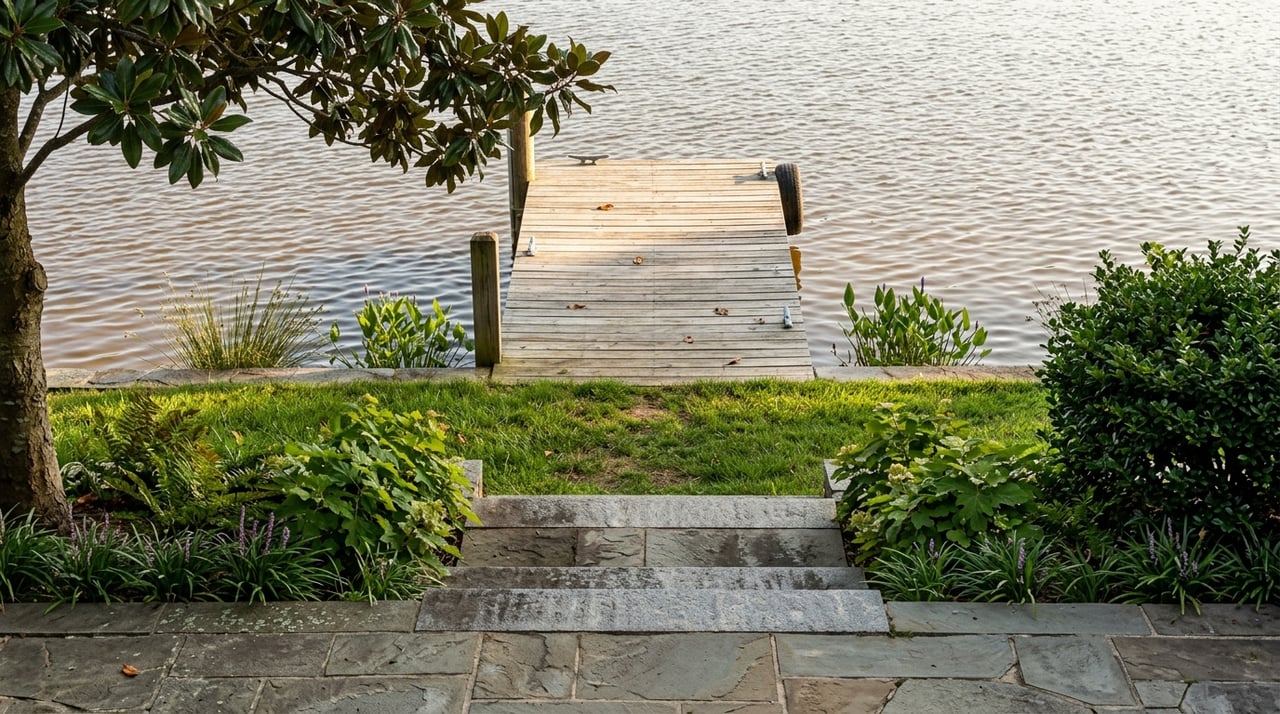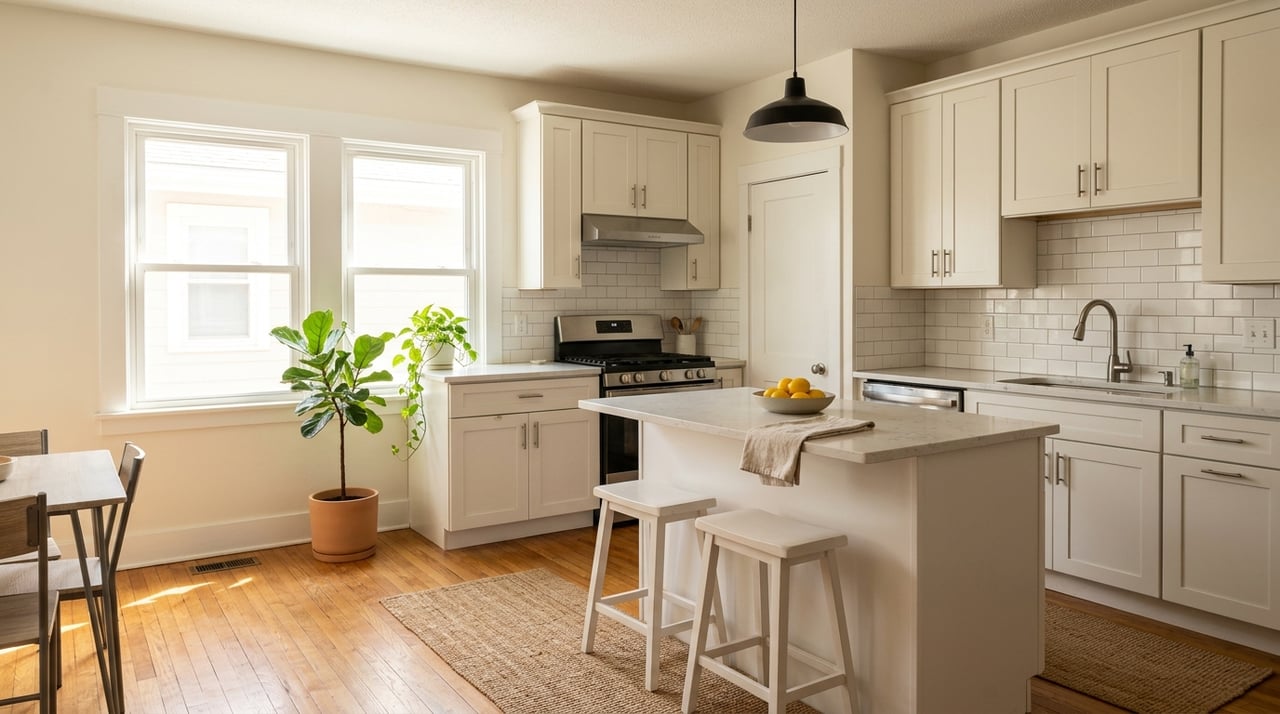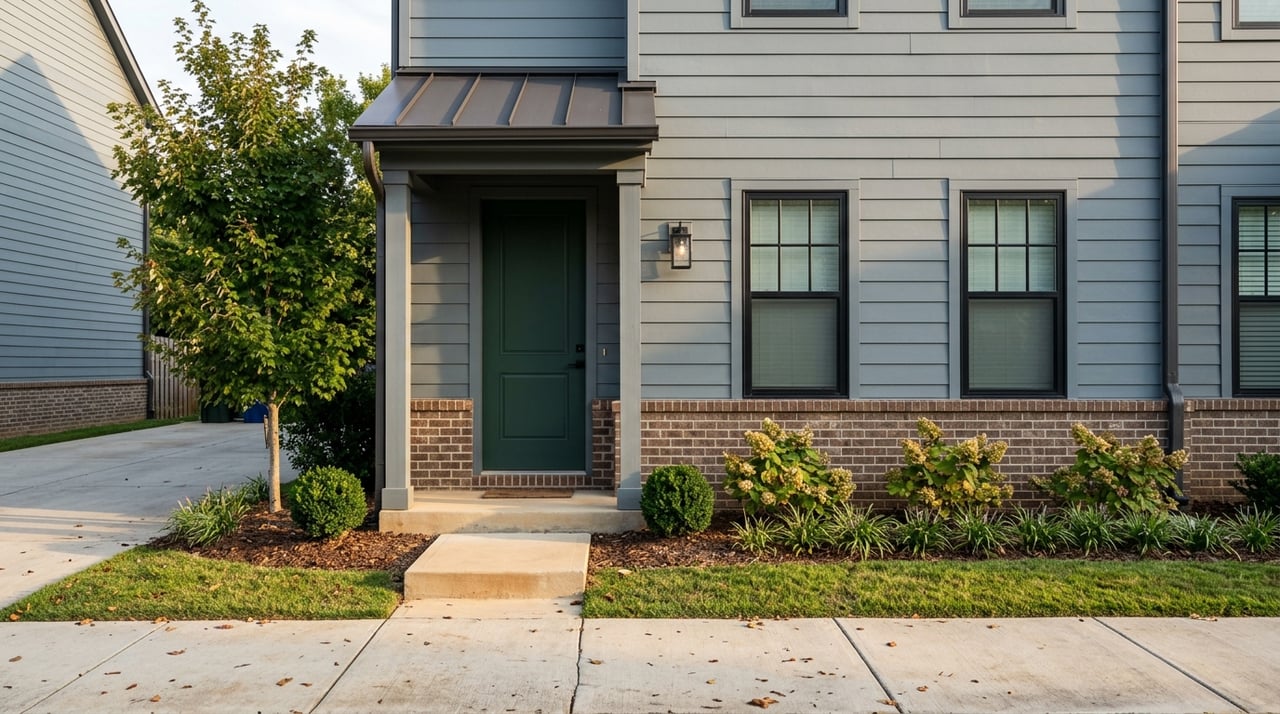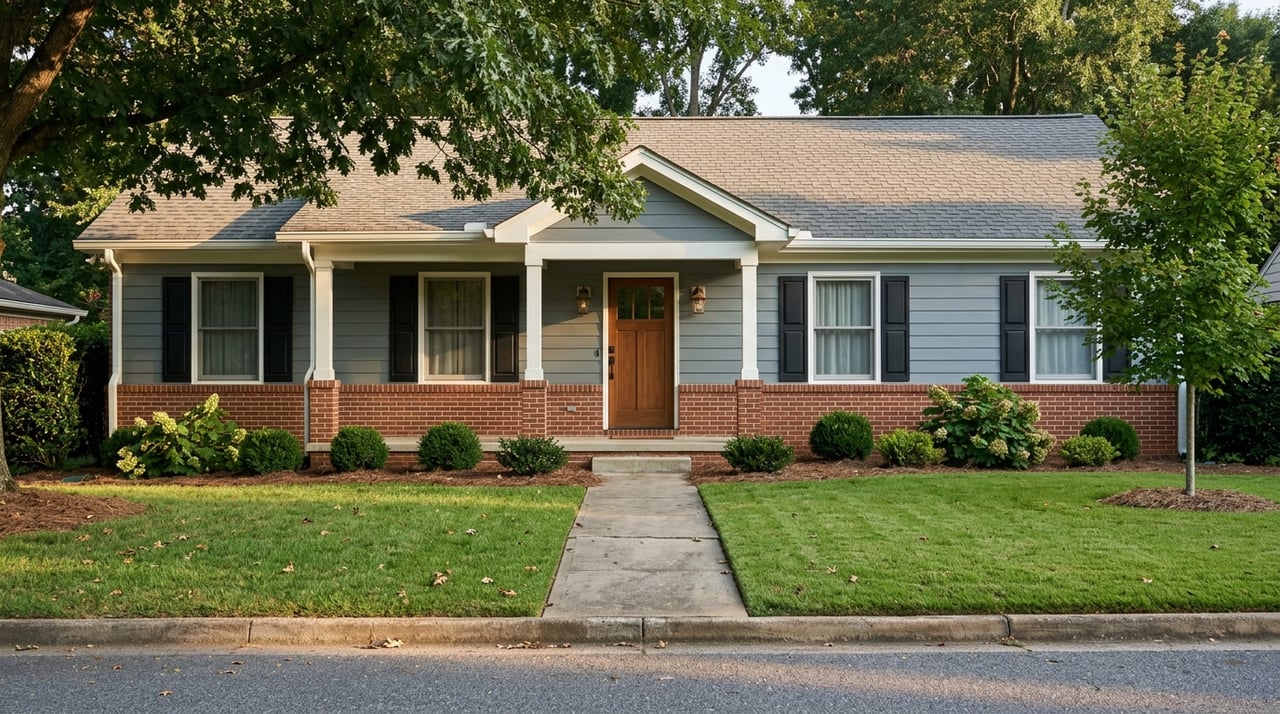
Wondering whether a cabin, farmhouse, or traditional home makes the most sense in Cleveland, Georgia? It is a great question, because in White County, your choice is about more than curb appeal. You are also choosing how much land you want, how much upkeep you can handle, and what kind of day-to-day lifestyle fits you best. Let’s break it down so you can move forward with confidence.
Why home style matters in Cleveland
Cleveland sits in the foothills of Northeast Georgia, with rolling hills, open fields, wooded tracts, and mountain views that shape how people live on their property. White County notes that the area gets about 69 inches of rain each year, along with some snowfall, which makes drainage, exterior wear, and moisture management important considerations.
That local setting means a cabin, farmhouse, and traditional home can each feel very different in real life. In many cases, the better choice comes down to how much privacy, land, access, and maintenance you want to take on.
Cabin homes in Cleveland
What cabins usually offer
Cabins in the Cleveland area are often tied to the mountain lifestyle that brings many buyers to North Georgia in the first place. Current examples commonly sit on about 1 to 3.3 acres and often highlight wooded surroundings, ridge or creek settings, and mountain views.
Many buyers are drawn to cabins because they feel like a retreat. They can also appeal to second-home buyers or people exploring possible short-term rental use, depending on the property and local requirements.
What to expect with cabin maintenance
A cabin often comes with more exterior and site work than a neighborhood home. Wooded lots, sloped terrain, and weather exposure can create ongoing needs such as staining, drainage control, tree management, and upkeep of windows, doors, and HVAC systems.
White County’s wildfire planning also makes this especially important in wooded areas. The county highlights issues like topography, lot size, weather, humidity, and wildland adjacency, and recommends defensible space, fuel reduction, and reducing structural ignitability.
Who cabins fit best
A cabin is often a strong fit if you want:
- Mountain or wooded views
- A private setting
- A second-home feel
- Possible rental potential
- A property that feels tucked away from busier streets
The tradeoff is usually more hands-on property care. If you love privacy and character and do not mind more upkeep, a cabin may feel worth it.
Farmhouses and acreage homes
What farmhouses usually offer
If your dream is more space, a farmhouse or acreage home may be the better match. Current Cleveland-area examples range from about 2.31 acres to 20 acres and even 24 acres, with features like fencing, cross-fencing, barns, pasture, shops, creeks, and room for equipment.
This option usually gives you the most flexibility. You may have more room for gardens, animals, hobbies, storage, or multi-generational living, depending on the property setup.
What to expect with acreage upkeep
More land usually means more responsibility. On a farmhouse or acreage property, you may need to stay on top of fencing, outbuildings, roof and system maintenance, pasture conditions, and access around the property.
Utilities also matter more on rural properties. UGA notes that septic tanks should be inspected and pumped every 3 to 7 years, and property owners are responsible for septic maintenance. UGA also notes that many rural Georgia residents rely on private wells, and well placement in relation to septic systems, animal areas, fertilizer storage, or waste areas can affect contamination risk.
Who farmhouses fit best
A farmhouse or acreage home may be the right fit if you want:
- Space for animals or equipment
- Room for a garden or hobby farm
- More separation from neighbors
- A rural lifestyle with more independence
- A property with flexible land use potential
In short, this is often the best choice if your lifestyle centers on land. It gives you space and freedom, but it also asks more from you in upkeep and planning.
Traditional homes in neighborhoods
What traditional homes usually offer
If you want a simpler ownership experience, a traditional home in a neighborhood may be the most practical option. In Cleveland, traditional homes can still come with a nice amount of space. Current examples include lots around 0.5 acre and even 1.21 acres.
Some neighborhood properties may also include features like HOA-managed grounds, private road maintenance, clubhouses, pools, walkable streets, or street lights. That can make everyday ownership feel more predictable than a cabin or acreage tract.
What to expect with neighborhood upkeep
Traditional homes usually have the least land maintenance of the three options, but they are not maintenance-free. Some Cleveland neighborhood homes still sit on wooded or sloped lots, and a neighborhood address does not always mean public sewer.
In fact, current examples show that some traditional homes still use septic systems. That is why it is smart to confirm utility details early, even if the home feels more suburban than rural.
Who traditional homes fit best
A traditional home is often a good middle-ground choice if you want:
- Less day-to-day land work
- A neighborhood setting
- More structure and predictability
- Shared amenities in some communities
- A foothills location without managing a large tract
If you like the Cleveland area but do not want the demands of a mountain cabin or farmhouse acreage, this option often brings the easiest balance.
Comparing the three options
| Home type | Typical setting | Common lot pattern | Maintenance level | Best fit |
|---|---|---|---|---|
| Cabin | Wooded, mountain, creek, or ridge settings | About 1 to 3.3 acres in current examples | Higher | Buyers wanting privacy, views, and retreat-style living |
| Farmhouse | Rural tracts with open land and utility space | About 2.31 to 24 acres in current examples | Highest | Buyers wanting land for animals, equipment, or a hobby-farm lifestyle |
| Traditional home | Neighborhood or subdivision setting | About 0.5 to 1.21 acres in current examples | Lower | Buyers wanting easier upkeep and a more structured setting |
The local due diligence that matters most
In Cleveland, choosing the right property is not only about style. It is also about making sure the land and systems fit your plans.
Verify water and septic early
White County’s new-dwelling checklist requires septic or sewer approval through White County Environmental Health or the City of Cleveland, depending on the property. It also requires certain driveway permits for county or state right-of-way access.
That means you should confirm early whether the home uses septic or sewer, and whether the water source is public or private. These details can affect maintenance, future improvements, and your monthly expectations.
Understand mountain and hillside rules
White County treats slopes of 25% or greater as protected mountain or hillside areas. If a property falls in one of those areas, building or clearing may require a pre-application meeting, a mountain protection plan, and the right land-disturbance filing.
The county also notes that tree cutting permits may apply to trees 8 inches or greater in diameter, even when no building permit is needed. If you are buying for views, expansion, or site work, this step matters.
Look closely at drainage and access
Because the area gets substantial rainfall, drainage should be part of your decision from the start. This is especially true for wooded lots, sloped lots, cabins, and acreage properties.
Access matters too. White County’s wildfire planning repeatedly flags access, defensible space, fuel reduction, and structural ignitability as key issues. A beautiful setting can still create practical challenges if the driveway, road access, or site layout is hard to manage.
Review septic and well history
For rural homes, ask clear questions about septic service history and well details. UGA states that poor maintenance is the most common cause of septic failure and recommends pumping every 3 to 7 years.
If a property has a private well, the well’s location relative to septic systems, animal areas, and storage areas should be reviewed carefully. This is especially important on farmhouse and acreage properties.
Which home type usually fits your goals?
If your top priority is low maintenance, a traditional neighborhood home is usually the easiest path. Smaller lots and possible HOA support can reduce the amount of land work you need to manage.
If your top priority is privacy and views, cabins and acreage properties usually stand out. Current Cleveland examples often include wooded settings, mountain views, creek frontage, pasture, or larger buffers from neighboring homes.
If your top priority is space for animals, tools, or equipment, farmhouses generally offer the most flexibility. Fencing, barns, pasture, and larger tracts are much more common in that category.
The best choice is usually the one that matches how you want to live after closing day. In Cleveland, style is only part of the story. The real question is how much land, independence, and maintenance you want to own along with the house.
If you want help weighing the tradeoffs between mountain cabins, acreage homes, and neighborhood properties in Cleveland, Chad & Julie M Williams can help you narrow the options and focus on the fit that makes sense for your goals.
FAQs
Which home type in Cleveland usually has the least land maintenance?
- A traditional neighborhood home usually has the least land maintenance because current examples tend to sit on smaller lots and may include HOA-managed grounds or private-road maintenance.
Which home type in Cleveland usually offers the most privacy?
- Cabins and farmhouse-style acreage properties usually offer the most privacy because current examples often sit on larger wooded, sloped, creek, ridge, or pasture settings.
Which home type in Cleveland is best for animals or equipment?
- Farmhouses and acreage homes are usually the best fit for animals or equipment because current listings often include fencing, barns, shops, pasture, and room for livestock.
Do traditional homes in Cleveland always have public sewer?
- No. Current neighborhood examples show that some traditional homes in Cleveland still use septic systems, so you should verify sewer versus septic early.
What due diligence matters most when buying a cabin or rural home in Cleveland?
- The most important steps include confirming water source and septic details, reviewing drainage and access, checking mountain or hillside rules, and understanding septic and well maintenance history.
Do mountain or hillside properties in White County have extra rules?
- Yes. White County requires added review for protected mountain and hillside areas, including a pre-application meeting, a mountain protection plan, and other filings when building or clearing in those areas.