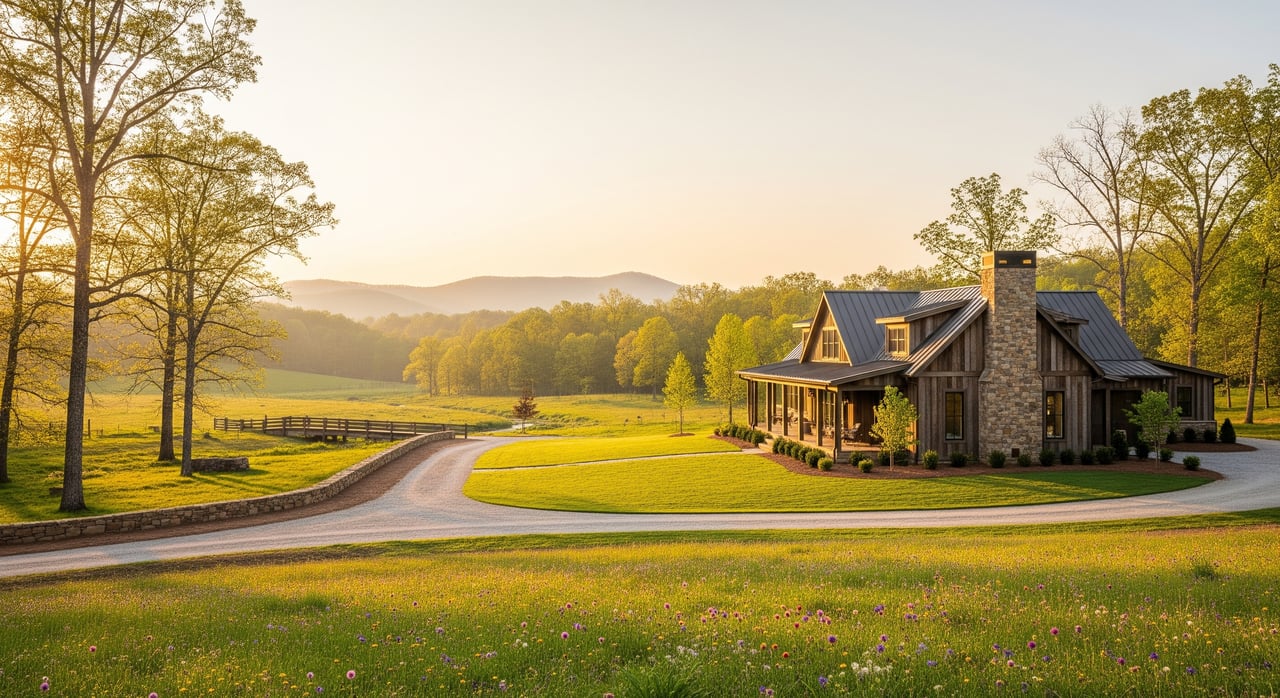
Craving more sky, more trees, and room to breathe? If the suburbs feel tight, living on acreage near Clarkesville can give you privacy, space, and a closer connection to the land. You also take on new responsibilities, from wells and septic to driveway upkeep and seasonal chores. This guide walks you through daily life, practical realities, and the key checks to make before you buy so you can decide with confidence. Let’s dive in.
Clarkesville setting and access
Clarkesville sits in Habersham County in the foothills of North Georgia, with rolling hills and hardwood forest giving way to the Appalachian landscape to the north and east. Many acreage tracts are just outside the city limits in unincorporated areas, yet still a short drive to groceries, restaurants, banks, and county services. More remote parcels trade quick errands for quiet surroundings, while larger regional amenities are often reachable within 30 to 60 minutes. You are also near North Georgia’s outdoor destinations, including scenic drives, forestlands, and places like Tallulah Gorge for day hikes and overlooks.
Privacy and space on acreage
Even a few acres feel different than a neighborhood lot. On 1 to 5 acres you typically get more separation and room for gardens or a workshop. On 10 or more acres you can add fenced pasture, small barns, private trails, or keep a wooded buffer for privacy and wildlife viewing. The tradeoff is a bit more self-management, which many owners find rewarding when they want a quieter, more independent lifestyle.
Outdoor recreation and seasons
Your property becomes part backyard and part adventure base. Expect casual hiking on your own paths, gardening, beekeeping, or turnout areas for horses or pets if your land is suitable. Spring brings wildflowers and planting, summers are warm and humid with creek and lake time, fall colors are a highlight in the hills, and winters are generally mild. You still prepare for cold snaps by protecting water lines and checking outdoor systems.
Small-farm rhythms
Acreage living often includes hobby-farm projects. Many owners keep chickens or small livestock, rotate pasture, and tend raised beds or orchards. Plan for daily animal care, seasonal planting and harvest, and regular trips to local feed or hardware stores. For best practices on soil, livestock, and gardens, the University of Georgia Cooperative Extension in Habersham County is a go-to resource.
Utilities and service reality
- Water and sewer. Many rural parcels use private wells and septic systems rather than municipal lines. You will want a well test, documented yield, and septic suitability verified by soil and site evaluations.
- Power and fuel. Electricity is usually available, though extending service to a new homesite can add cost. Propane is common for heating, cooking, and backup generators where natural gas lines are not present.
- Internet and cell. Coverage varies by location. Some properties get reliable fixed wireless or DSL while others lean on satellite. Always verify real-world speeds with providers and neighbors before you rely on it for remote work.
Access, roads, and year-round use
Acreage access can be paved, chip seal, gravel, or private dirt. Steeper or unpaved roads may be challenging during heavy rain or winter weather. Confirm whether a road is county maintained and whether private roads have a maintenance agreement. If you plan frequent deliveries or trailering, test the route in different conditions.
Permits, septic, and wells
Building or adding structures typically requires permits from Habersham County Planning and Development. Setbacks, hillside development rules, and floodplain limitations can guide where and how you build. For new or existing homes, confirm septic permits and soil approvals, plus any well permits and water quality testing. These steps help you avoid delays and protect your investment.
Surveys, easements, and title
Many rural properties have older surveys or shared driveways. Ask for a current boundary survey so you know where to place fences and improvements. Review all easements, including access, utilities, timber harvest rights, and any mineral rights. Clear legal access and known maintenance responsibilities will reduce surprises after closing.
Taxes, insurance, and running costs
Property taxes vary with land use and county millage rates. If you plan qualifying agricultural use, ask the Habersham County Tax Assessor about use-value assessments or other classifications. Insurance premiums may reflect distance to fire stations, wildfire risk, and the presence of outbuildings. Budget for septic pumping, driveway gravel, brush mowing, and occasional contractor help for bigger maintenance jobs.
Financing rural acreage
- Home with land. If a habitable home exists, many buyers use conventional, VA, or FHA mortgages when the property meets program rules.
- Vacant land or raw tracts. These often require a land loan with different underwriting and a larger down payment, or sometimes owner financing. Lenders typically want a survey, proof of access, and documentation for septic and well feasibility.
- Rural programs. USDA Rural Development mortgages can help eligible buyers in qualifying areas with low or no down payment options for primary residences, subject to income and property rules.
Conservation and forestry options
If your land includes streams, pasture, or timber, you may qualify for technical or financial assistance through programs administered by the USDA Natural Resources Conservation Service. The Georgia Forestry Commission offers guidance on forest management and wildfire preparedness. Conservation easements via land trusts can protect land long term while offering potential tax benefits for qualified situations.
Buying checklist for acreage
- Clarify goals. Privacy, horses, gardening, timber, or a future homesite. Your goals drive the land features you need.
- Verify access. Confirm legal road access, who maintains it, and travel conditions year round.
- Confirm utilities. Document power availability, well yield and water quality, septic feasibility, and internet options.
- Order a survey. Get current boundaries and any encroachments identified.
- Review easements. Understand any rights that affect use, privacy, or building locations.
- Check zoning and permits. Align intended use with county rules and setbacks.
- Model total costs. Include loans, taxes, insurance, and ongoing maintenance.
- Line up financing. Talk with lenders who understand rural and land loans.
Is acreage life right for you
If you value quiet mornings, open space, and time outside, acreage near Clarkesville can be deeply rewarding. You will trade some convenience for a more hands-on lifestyle. With the right due diligence and a clear plan, you can enjoy privacy, recreation, and a property that grows with your goals. When you are ready to explore options, lean on local guidance to help you evaluate land, utilities, and long-term value.
Ready to see what fits your lifestyle and budget around Clarkesville and greater North Georgia? Talk with Chad & Julie M Williams for local, hands-on help with land and acreage homes.
FAQs
How private is 5 acres compared to 20 acres near Clarkesville
- Five acres usually gives you noticeable separation from neighbors, while 10 to 20 or more acres can allow multiple uses and a woodland buffer that increases perceived privacy.
Do most acreage homes use wells and septic in Habersham County
- Many rural parcels rely on private wells and septic systems. Always verify well yield and water quality, and confirm septic suitability through soil and site evaluations.
What should I check about road access before buying acreage
- Confirm legal access, who maintains the road, and whether it is county maintained. Drive the route in wet weather to understand year-round conditions.
Can I work from home on acreage near Clarkesville
- It depends on location. Some parcels have fixed wireless or wired service, while others rely on satellite. Confirm actual speeds with providers and neighbors before you commit.
What financing is available for land or small farms in North Georgia
- Homes on acreage may qualify for conventional, VA, or FHA loans. Vacant land often requires a land loan with larger down payment, and USDA Rural Development offers rural mortgage programs for eligible buyers.
Are there programs to help with pastures, streams, or timber on my property
- Yes. USDA NRCS offers conservation and cost share programs, and the Georgia Forestry Commission provides forest management and wildfire guidance. Consult these agencies to assess eligibility.