Thinking about a cabin or second home in Dahlonega? You are not alone. For many buyers, Dahlonega offers the right mix of mountain scenery, weekend convenience, and year-round appeal, but the details of buying here can look very different from buying in a typical suburban market. In this guide, you’ll learn what makes Dahlonega attractive, which property types tend to fit different goals, and what local due diligence matters most before you make an offer. Let’s dive in.
Why Dahlonega appeals to second-home buyers
Dahlonega sits about an hour north of Atlanta at the end of GA-400, which makes it practical for weekend trips and flexible use throughout the year. The local visitors bureau also notes that the area is within three hours of more than ten million people across cities including Atlanta, Greenville, Chattanooga, Knoxville, Birmingham, and Augusta. If you want a getaway that does not feel too far away, that convenience matters.
The lifestyle appeal is also easy to see once you spend time here. Historic Downtown Dahlonega centers around the square and offers shops, galleries, restaurants, entertainment, the Gold Museum, and close access to the University of North Georgia. Local tourism materials also highlight cabins and vacation rentals as a lodging category, which reflects how naturally second-home ownership fits this market.
Dahlonega also gives you more than one kind of retreat experience. The Dahlonega Wine Trail is promoted as Georgia’s wine country, with the highest concentration of wineries and vineyards in the state. Add in Lake Zwerner, local trail systems, and the surrounding forestland, and you have an area that works for buyers who want both recreation and downtime.
What kinds of second homes you’ll find
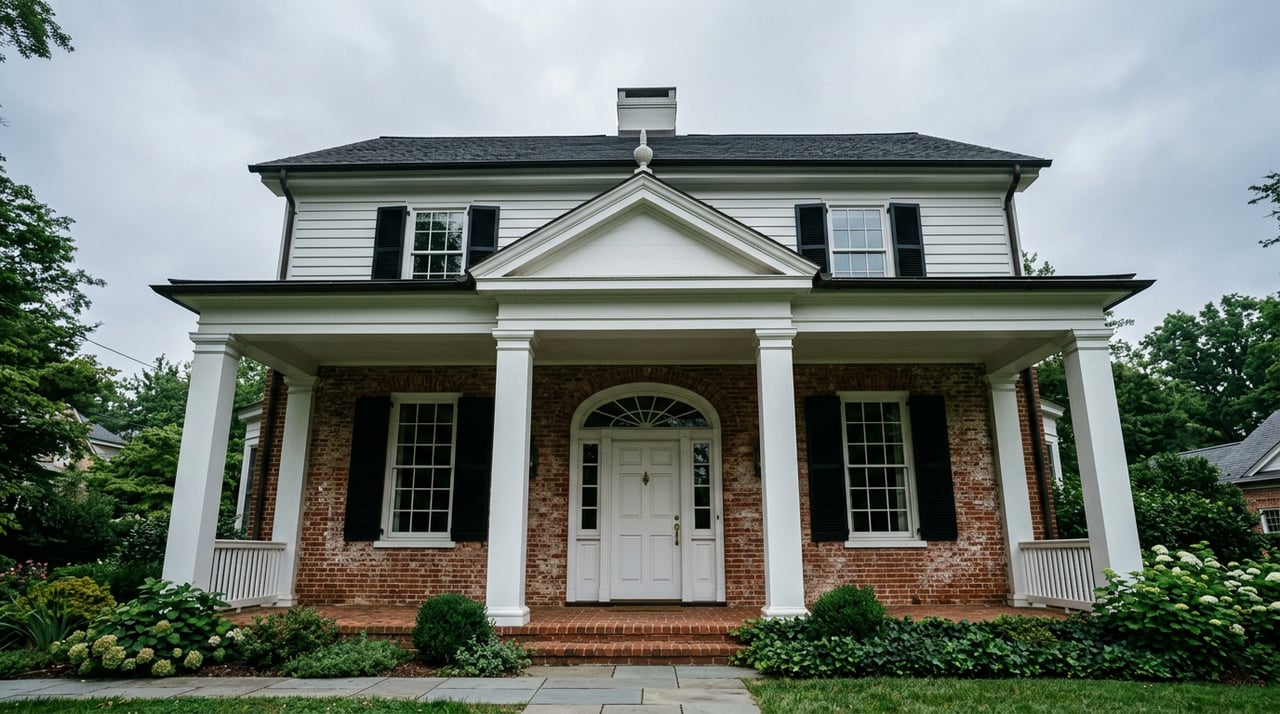
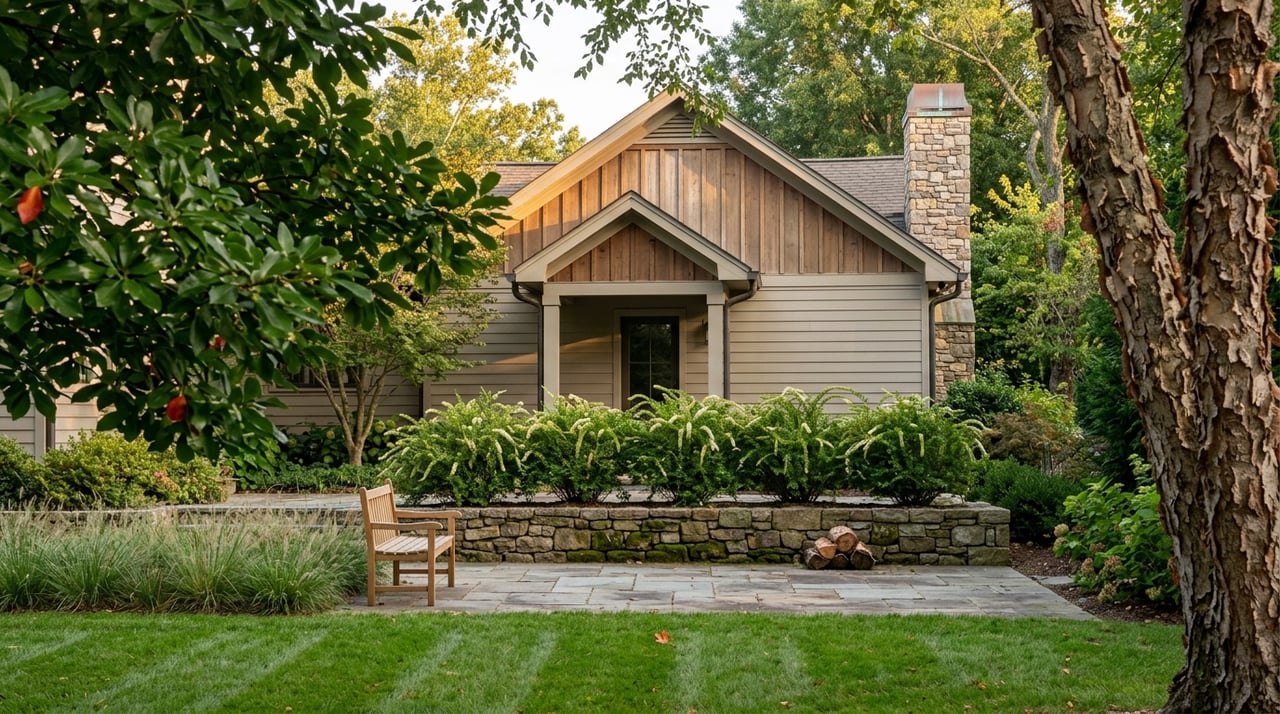
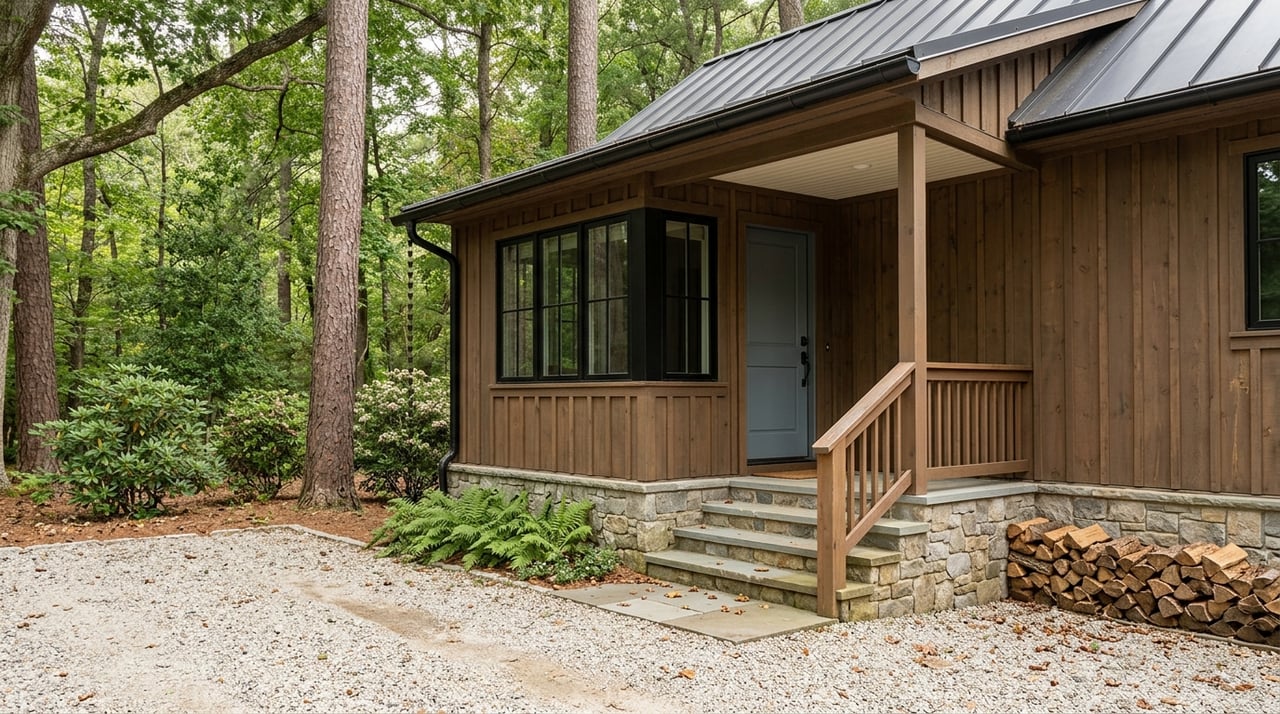
In Dahlonega, second-home buyers often compare a few very different property styles. You may find in-town cottages closer to the square, cabin-style homes in wooded settings, vacation-rental-style properties, or larger parcels with more privacy. Your best fit usually depends on how you plan to use the property.
If you want quick access to dining, shopping, and events, a home closer to downtown or major road corridors may feel easier day to day. If your goal is quiet, space, and a stronger mountain retreat feel, you may lean toward wooded acreage or a more secluded parcel. In many cases, the trade-off is simple: more privacy often means a longer drive and more hands-on property responsibilities.
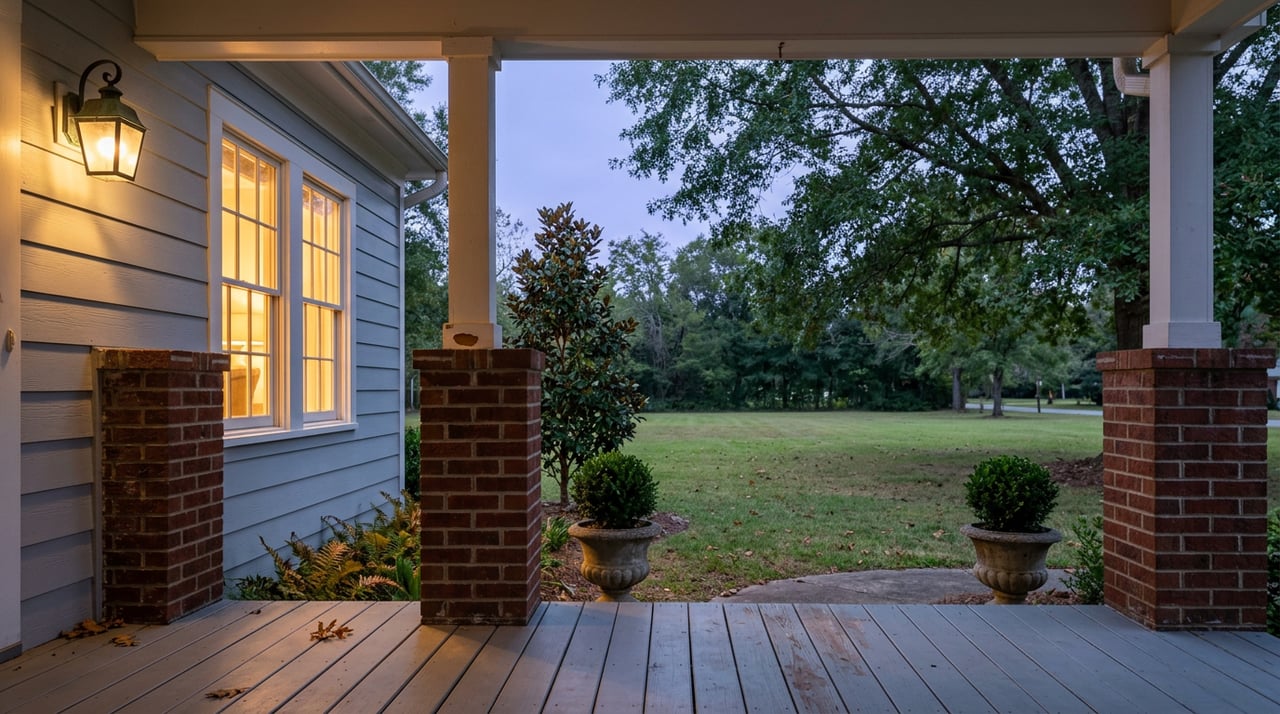
Forest-adjacent properties are especially common here because Chattahoochee National Forest makes up one-third of Lumpkin County. That means a wooded setting is not unusual in this market. It is part of the area’s identity.
Choosing the right location style
Near downtown Dahlonega
A second home near downtown can work well if you picture yourself using the property for short weekend stays, events, dining, or easy walkable outings once you arrive. The downtown area is the center of the county’s tourism activity, so it tends to appeal to buyers who want convenience and a lively local setting. It can also be a practical choice if you do not want to spend each visit handling rural property issues.
Near Lake Zwerner or trail areas
Lake-adjacent and trail-adjacent homes can be especially appealing for buyers who want quick outdoor access. Lake Zwerner is only minutes from downtown and serves as the city’s primary reservoir. The Jake and Bull Mountain Trail System is in western Lumpkin County, less than ten minutes from downtown, with about 36 miles of year-round trails.
If you want your second home to support hiking, trail riding, nature time, or simple weekend escape routines, these areas deserve a close look. They often offer a balance between convenience and a more tucked-away feel.
More secluded forest-edge parcels
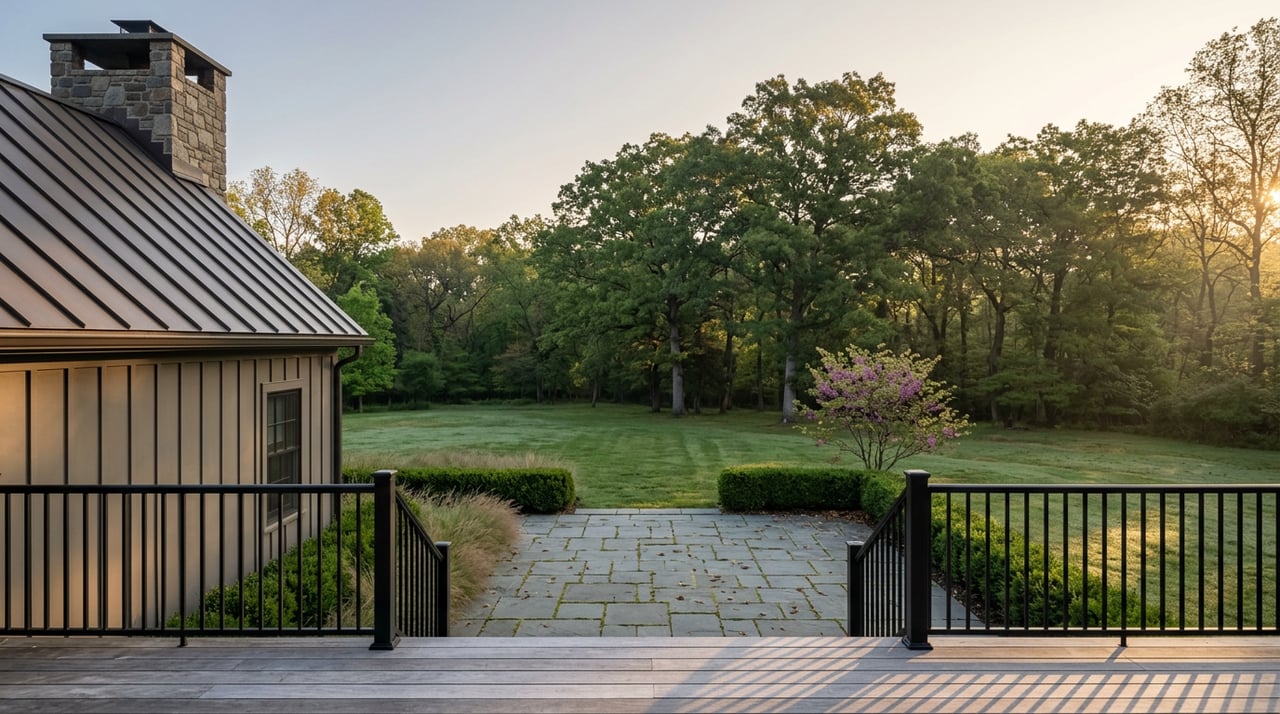
Some buyers come to Dahlonega specifically for privacy. A more secluded cabin or acreage tract can offer that retreat feel, but it also brings more due diligence. Access, driveway condition, drainage, utilities, and maintenance become more important when the property sits farther from the main roads and denser parts of town.
Access matters more than many buyers expect
One of the biggest second-home buying mistakes is focusing only on the house and not enough on how you get to it. In Lumpkin County, access is a major practical issue, especially for cabins and rural homes. Before closing, you should understand whether the road is county-maintained or private and whether year-round access will meet your needs.
Lumpkin County Public Works manages county-owned paved and gravel roads, so road maintenance is an active local concern. That means you should not assume every road is publicly maintained just because it looks established. Confirming that status early can save you from surprises later.
Driveways also deserve close attention. Lumpkin County requires a GDOT driveway permit before issuing a building permit when access comes from a state highway. County permit materials also state that finished driveways on paved roads must be hard-surfaced for at least 30 feet, or to the edge of the right-of-way, with drainage directed away from the travel surface.
County inspection guidelines add that homes on county roads may need driveways paved from the edge of asphalt to the edge of the right-of-way in certain situations. For you as a buyer, the practical takeaway is simple: check the driveway surface, drainage, slope, parking space, and turnaround area before you buy.
Well, septic, and water checks are essential
Many rural cabins in Lumpkin County rely on well and septic systems. That makes environmental and infrastructure records an important part of your due diligence. You want to know what is installed, what has been maintained, and whether there are recent records to review.
Lumpkin County Environmental Health handles septic record requests, septic applications, and water test applications. If a property uses a private well, Georgia Department of Public Health guidance recommends annual bacterial testing and periodic chemical screening. State guidance also sets setback distances between wells, septic tanks, and absorption fields, which matters if you plan future improvements.
For a second-home buyer, this is not just paperwork. If you will not be at the property full time, you want confidence that the basic systems are sound and documented.
Flood and water proximity need a closer look
Creeks, lake areas, and wooded lots can be a big part of the appeal in Dahlonega. They can also add extra review items. Lumpkin County’s building permit application notes that land disturbance within 200 feet of water triggers erosion-and-sediment review.
The same county materials note that properties in special flood hazard areas can require an elevation certificate. If the property you like sits near a creek, lake, or low-lying area, ask direct questions early. It is much better to understand those conditions before making an offer than after you start planning updates or repairs.
Weather readiness is part of second-home ownership
A second home needs to work even when you are not there. In a mountain market, that means planning for weather and possible outages. Georgia Power recommends outage alerts, outage maps, NOAA weather radio or its app for winter weather warnings, and basic emergency supplies like flashlights, batteries, water, and nonperishable food.
If you only plan to use the property part of the year, storm readiness should be part of your buying decision. Think about how easy the home will be to access during bad weather and how prepared you want it to be when vacant.
Know the tax and rental rules before you buy
If you are buying a cabin as a second home, do not assume it will qualify for the same tax treatment as a primary residence. Georgia’s homestead exemption applies to a legal residence that the owner occupies, and you cannot already claim a homestead exemption on another property. In most cases, that means a second home in Dahlonega will not qualify unless it becomes your primary residence.
If you may rent the property short term, local rules matter just as much. Lumpkin County requires an approved land-use permit before a business and short-term rental license is issued. The county also states that the hotel-motel tax rate is 8%, and direct-book hosts are responsible for remitting local and state hotel/motel taxes on monthly timelines.
Planning and Development Services in Lumpkin County also handles code enforcement, GIS, plats, variances, and short-term rentals. That is why it is smart to verify the parcel’s jurisdiction and review any subdivision or HOA rules before you get too far into the search.
A smart roadmap for buying in Dahlonega
If you want to buy with confidence, a simple step-by-step approach can help you stay focused.
Start with your use case
Ask yourself how you really plan to use the property. Are you looking for a quiet personal retreat, occasional family use, a future full-time residence, or a home that may also be rented? Your answer will shape location, property type, and the level of infrastructure review you need.
Match the property to the lifestyle
Once your goals are clear, narrow your search by location style. Downtown convenience, lake access, trail proximity, or a more secluded wooded parcel each create a different ownership experience. The right choice is usually the one that fits your routine, not just your wish list.
Verify local due diligence items
Before making an offer, confirm the basics that matter most in this market:
- Whether the road is public or private
- Whether access is dependable year-round
- Driveway condition, drainage, and parking
- Septic records and private well testing
- Whether the property may be in a flood-prone area
- Whether your intended rental use would trigger county licensing or taxes
Tour with practical eyes
When you visit a property, look beyond the view and the finishes. Pay attention to the drive in, the slope of the driveway, how easy it is to turn around, where water may drain, and how the home would function during a storm or outage. Those details matter even more in a second home than they do in a primary residence.
Why local guidance helps in this market
Buying a cabin or second home in Dahlonega is exciting, but it also calls for local knowledge. This is a market where road access, land characteristics, septic records, water issues, and rental rules can all influence whether a property fits your plans. A polished listing only tells part of the story.
Working with a local team can help you compare location trade-offs, ask better questions, and avoid overlooking details that affect ownership later. In a place like Dahlonega, practical insight is just as important as finding the right view.
If you are considering a cabin, mountain retreat, or second home in Dahlonega, the team at Chad & Julie M Williams can help you evaluate the property, the land, and the long-term fit so you can buy with clarity.
FAQs
What makes Dahlonega attractive for a cabin or second home?
- Dahlonega offers convenient access from Atlanta and other regional cities, plus a mix of downtown activity, wineries, trails, Lake Zwerner, and forested surroundings that fit weekend and seasonal use.
What property types are common for second-home buyers in Dahlonega?
- Buyers often compare in-town cottages, cabin-style homes, vacation-rental-style properties, wooded acreage, and more secluded forest-edge parcels.
What should you check about road access for a Dahlonega cabin?
- You should confirm whether the road is county-maintained or private and review driveway surface, drainage, parking, and turnaround space before closing.
What utilities and systems should you review for a rural second home in Lumpkin County?
- If the property uses a private well and septic system, request septic records, ask about water testing, and verify system details through Lumpkin County Environmental Health when needed.
Can a second home in Dahlonega qualify for Georgia’s homestead exemption?
- Usually no, because Georgia’s homestead exemption applies to a legal residence that the owner occupies as a primary home and cannot be claimed on another property at the same time.
What are the short-term rental rules for a cabin in Lumpkin County?
- If you plan to rent the property short term, Lumpkin County requires an approved land-use permit before issuing a business and short-term rental license, and local hotel-motel taxes may apply.